Introduction
Buying used cars from China can create strong opportunities for overseas dealers, importers, rental companies, and fleet buyers. However, every used vehicle purchase includes risk. The vehicle is not new, the buyer may be thousands of kilometers away, and small misunderstandings can become expensive after shipment.
Risk does not mean buyers should avoid China. It means buyers need a clear sourcing process. The most successful B2B buyers do not rely only on price. They ask for vehicle condition evidence, confirm export documents, review shipping terms, and work with suppliers who communicate clearly before and after shipment.
This article explains practical ways to reduce risk when buying used cars from China. It is written for buyers who want a professional process rather than a random transaction.

Risk 1: Vehicle Condition Is Not Clear
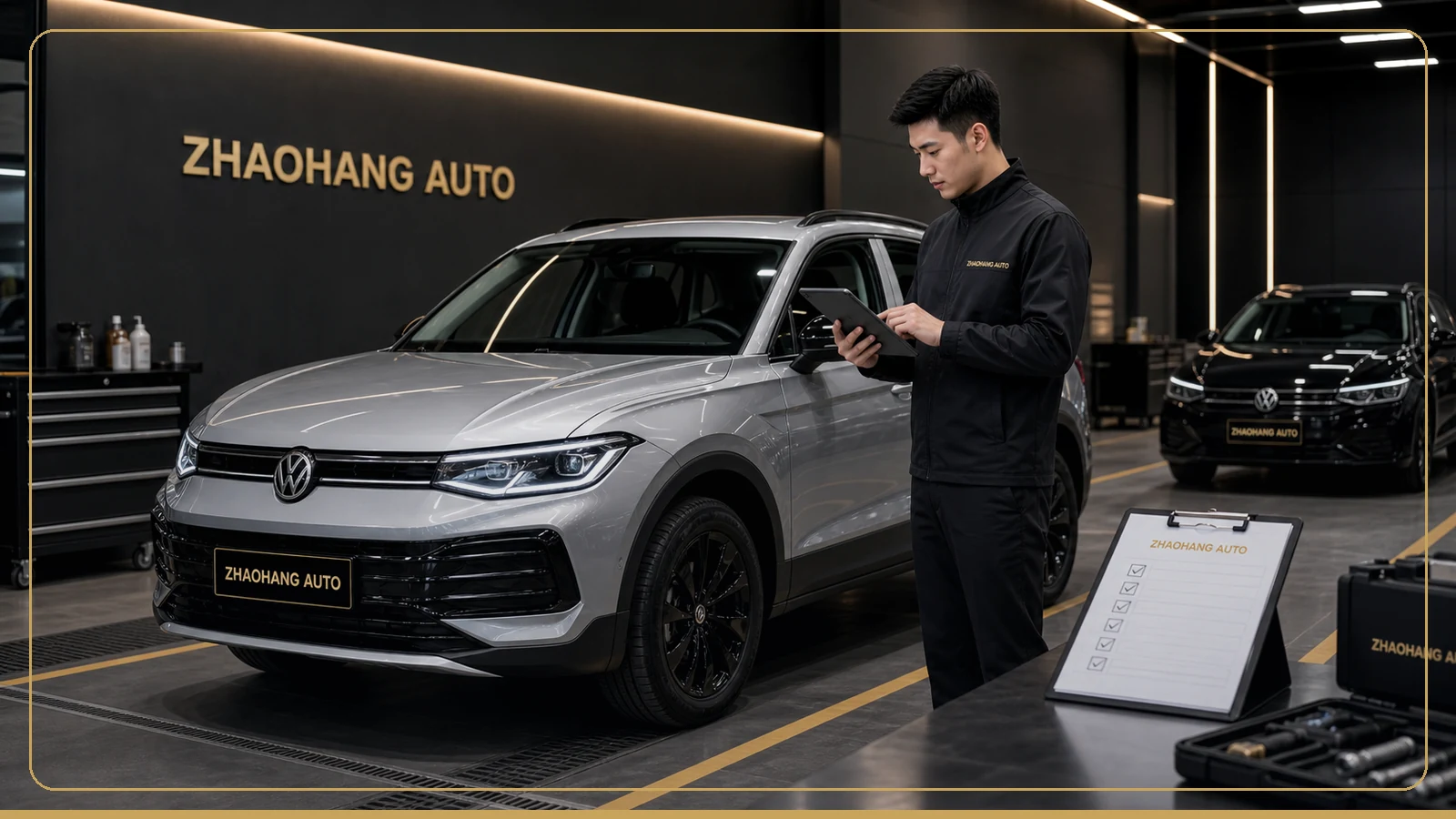
The most common risk in used car export is condition uncertainty. A vehicle may look clean in one photo but still have scratches, interior wear, tire issues, electrical problems, or maintenance needs.
To reduce this risk, buyers should request:
- Multiple exterior photos
- Interior photos
- Engine bay photos
- Tire and wheel photos
- VIN or vehicle identification confirmation where appropriate
- Video of startup and basic functions where available
- Notes on visible wear or damage
For first orders, buyers may also request third-party inspection support. This is especially useful for higher-value vehicles, bulk orders, or new supplier relationships.
Risk 2: Supplier Communication Is Too Vague
A reliable supplier should be able to answer practical questions. If every answer is only "no problem" or "very good condition" without evidence, the buyer should slow down.
Useful supplier questions include:
- Is the vehicle available now?
- What is the mileage and registration information?
- Are there visible scratches, repairs, or interior wear?
- What documents can be provided?
- Which port will be used?
- Is the price FOB, CFR, CIF, or another term?
- What is the expected shipping timeline?
- Who handles destination customs clearance?
Clear answers do not guarantee a perfect transaction, but vague answers increase risk.
Risk 3: Export Documents Are Inconsistent
Used vehicle export requires accurate documentation. If vehicle information does not match across documents, customs and registration delays may occur.
Buyers should pay attention to:
- VIN consistency
- Model name and trim consistency
- Quantity and unit price
- Export declaration details
- Commercial invoice information
- Bill of lading details
- Destination port and consignee details
For B2B shipments, document checking should happen before shipment, not only after the vehicle arrives.
Risk 4: Destination Rules Are Not Confirmed
China export compliance is only one side of the process. The buyer must also confirm destination country rules. These may include vehicle age limits, emission standards, steering requirements, local inspection, taxes, and registration conditions.
A China supplier can support export from China, but local import compliance should be confirmed with the buyer's customs broker or local authority. This is especially important for first-time importers.
Risk 5: Price Is Compared Without Terms
A quotation is only meaningful when the terms are clear. A low price may not include inland transport, port handling, export documentation, shipping, or insurance.
Buyers should compare quotations based on the same term:
- EXW: buyer handles more logistics
- FOB: supplier handles export to departure port under agreed conditions
- CFR: includes freight to destination port
- CIF: includes freight and insurance to destination port
Always ask what is included and what is excluded.
Practical Pre-Shipment Checklist
Before payment or shipment, buyers should review:
Vehicle Evidence
Photos, videos, condition notes, mileage, and model information should be clear enough for internal approval.
Document Plan
The supplier should explain which documents will be provided and at which stage.
Payment Milestones
Payment arrangements should match trust level, order size, and supplier agreement. Buyers should keep written records of quotation and confirmation.
Shipping Method
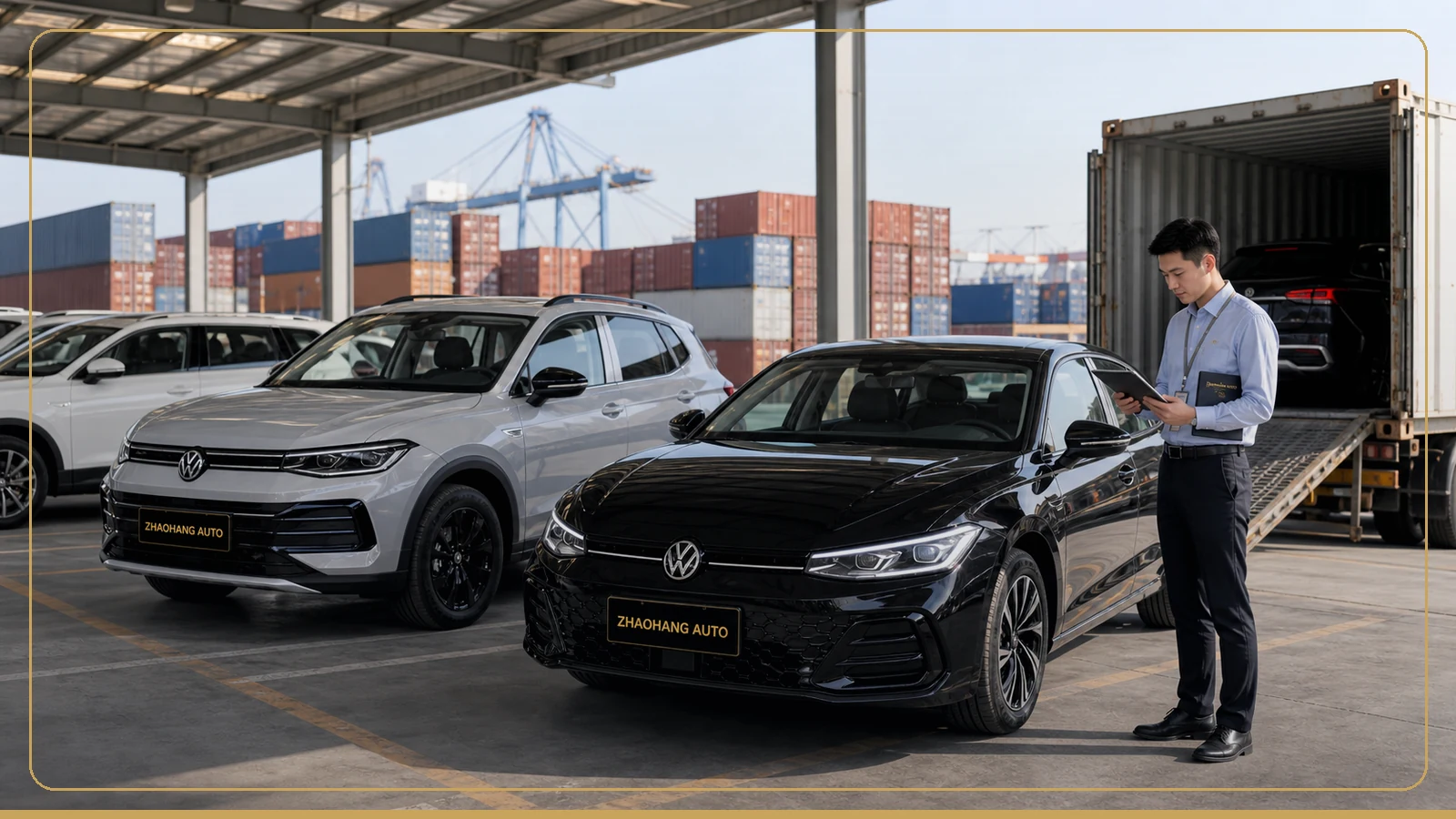
Confirm whether shipment is container, RoRo, or another method. Each has different cost, timing, and preparation requirements.
Communication Record
Keep written records of model, price, condition, shipping term, and document commitments. This protects both buyer and supplier.
Red Flags Buyers Should Watch For
Risk control also means knowing when to pause. Some warning signs do not automatically mean fraud, but they do mean the buyer should ask more questions before paying.
Common red flags include:
- The supplier refuses to provide current vehicle photos.
- The quotation is much lower than similar offers without explanation.
- The supplier cannot explain what documents will be provided.
- The supplier avoids VIN or model identification questions.
- The supplier pressures the buyer to pay before confirming basic details.
- The supplier gives only generic answers about condition.
- Shipping terms are unclear.
- The vehicle appears available for a long time but details keep changing.
A professional buyer should not be embarrassed to ask detailed questions. Clear questions protect both sides. Serious suppliers usually prefer buyers who know what they need because the transaction becomes more efficient.
Why Written Confirmation Matters
In international trade, verbal discussion is not enough. Buyers should keep written confirmation of model, quantity, unit price, quotation term, destination port, inspection expectations, and document responsibilities. This does not need to be complicated, but it should be clear.
Written confirmation is useful when:
- Multiple vehicles are included in one shipment.
- The buyer has internal approval procedures.
- Reconditioning work is requested.
- The order includes mixed models.
- Destination documents require exact vehicle details.
- Payment milestones depend on inspection or shipment progress.
For used cars, small details matter. A written record reduces misunderstanding about what was included in the quotation.
How Professional Inspection Builds Trust
Inspection is not only about finding problems. It is about making the vehicle condition visible. In used car export, a professional inspection process helps both sides agree on what is being purchased.
Useful inspection evidence includes:
- Clear lighting photos
- Close-up detail images
- Function check notes
- Startup video where possible
- Explanation of visible defects
- Reconditioning notes if work is performed before shipment
For fleet or dealer buyers, standardized inspection is especially important because the buyer may need consistent condition across multiple vehicles.
Risk Control for Bulk Orders
Bulk orders require a stronger process than single-vehicle purchases. When a dealer or importer buys multiple units, the supplier should organize vehicle information in a structured way. A simple spreadsheet can be very useful. It may include model, year, mileage, color, VIN reference, condition notes, photos, quotation, and document status.
For bulk orders, buyers should consider:
- Whether all vehicles meet the same market requirement.
- Whether the shipment method fits the quantity.
- Whether documents can be prepared on time.
- Whether inspection information is consistent across vehicles.
- Whether the buyer needs sample approval before full confirmation.
- Whether the order should be split into batches.
For first cooperation, a smaller trial order can be a good risk-control strategy. It allows the buyer to test communication, documentation, shipping timeline, and arrival condition before scaling.
Risk Control for Rental and Fleet Buyers
Rental and fleet buyers should think beyond vehicle appearance. Their risk is not only resale value, but operating cost after arrival. Important checks may include air conditioning, tire condition, interior durability, braking performance, and basic electrical functions.
For fleet use, buyers should ask whether similar models or specifications are available repeatedly. A fleet with too many different models can create maintenance and spare-parts challenges. A slightly narrower vehicle selection may reduce long-term operating complexity.
How ZHAOHANG AUTO Approaches Risk Control
ZHAOHANG AUTO positions itself as a used car export service provider for overseas B2B customers. The company focuses on direct vehicle supply, inspection communication, compliant export procedures, and delivery support.
For each buyer requirement, the practical process should include:
- Confirm destination and vehicle requirements.
- Provide current stock options.
- Share vehicle condition information.
- Confirm quotation term and included services.
- Prepare export documentation.
- Coordinate shipping and follow-up communication.
This process helps buyers make decisions based on evidence instead of assumptions.

How to Use This Article as a Procurement Checklist
Before contacting a supplier, buyers can turn this article into a simple checklist:
- Prepare destination country and port.
- Confirm import rules with a local agent.
- Define vehicle type, budget, year, and quantity.
- Request current stock with photos.
- Ask for condition notes and inspection support.
- Confirm quotation terms.
- Review export document plan.
- Confirm shipping method and timeline.
- Keep written confirmation.
- Start with a manageable order size if cooperation is new.
This checklist is useful for Google SEO readers and AI search summaries because it answers the practical question: "How do I buy used cars from China without unnecessary risk?"
FAQ
Is it safe to buy used cars from China?
It can be safe when the buyer works with a transparent supplier, confirms vehicle condition, reviews documents, and understands destination import rules.
What inspection should I request?
At minimum, request exterior, interior, engine bay, tire, light, and function photos. For larger orders, consider more detailed inspection support.
Can I request videos before shipment?
Yes. Buyers can request videos of vehicle exterior, interior, startup, and basic functions where available.
Who is responsible for customs clearance?
China export clearance is usually coordinated by the exporter under agreed terms. Destination customs clearance is normally handled by the buyer or local agent.
What is the biggest mistake first-time buyers make?
The biggest mistake is choosing based only on price without confirming condition, documents, quotation terms, and local import rules.
Conclusion
Used car sourcing from China can be a strong B2B opportunity, but risk control must be part of the buying process. Overseas buyers should not treat inspection, documents, and shipping as afterthoughts. They are the foundation of a reliable transaction.
A professional supplier will help buyers understand what is available, what condition the vehicles are in, what documents are needed, and how shipment can be arranged. The more transparent the process, the easier it is to build repeat orders.